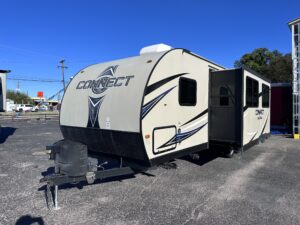
An RV tire blowout is one of the fastest ways to turn a road trip into a roadside disaster. It’s loud, violent, & often comes with bonus damage — shredded fender skirts, torn wiring, dented panels, & ruined underbelly material. Even worse, blowouts tend to happen at highway speed, which is when you least want any surprises.
If you’ve been asking, “How Do I Keep My RV Tires From Blowing Out?” the answer is a mix of maintenance, correct loading, heat management, & catching problems before they turn into a failure. RV tires are often lost to preventable causes: underinflation, overload, age, & heat.
This guide covers the most common blowout causes, what you can check safely, when it’s time for professional help, & how to build a tire routine that keeps you rolling confidently.
Problem Overview: Why RV Tires Fail So Often
RV tires live a rough life:
- They carry heavy loads near their rated limits
- They sit for long periods without moving
- They’re exposed to UV, ozone, heat, & weather
- They often get neglected because “the tread still looks fine”
Here’s the key: Most RV tires fail from age, heat, or overload — not from worn tread. That’s why blowouts surprise people. The tire looked okay… right up until it wasn’t.
The Most Common Causes of RV Tire Blowouts
1) Underinflation (The #1 Killer)
Underinflation creates heat. Heat breaks down the tire internally. Once the sidewall flexes too much, internal cords weaken & failure becomes likely.
The scary part: a tire can be “only a little low” & still run hot enough to fail at highway speed, especially on hot pavement.
2) Overloading the Trailer or RV
If your axle loads or tire loads exceed the tire’s capacity, the tire is operating in a failure zone — even if it’s properly inflated.
Overloading happens easily with RVs because:
- Cargo adds up fast (tools, grills, water, gear, bikes)
- Tanks change weight dramatically (fresh, gray, black)
- Rear storage compartments get stuffed
- People assume “if it tows, it’s fine”
3) Tire Age & Dry Rot (Even With Good Tread)
Most RV tires age out before they wear out. Sidewall cracking is a clue, but the real danger is internal degradation you can’t see.
Heat + time + UV = weakened rubber & cords.
If you don’t know the tire age, you’re guessing — & guessing is how blowouts happen.
4) Improper Tire Type or Low-Quality Tires for the Load
Some RVs come from the factory with tires that are “just adequate.” If you’re close to capacity, cheap tires with weak sidewalls can be more blowout-prone.
This doesn’t mean you need the most expensive tire on Earth — it means you need a tire with the correct:
- Load range (capacity)
- Speed rating (matched to how you travel)
- Construction quality
- Proper inflation practices
5) Excessive Speed
Many trailer tires are rated for specific speeds (often lower than passenger car tires). Higher speeds increase heat dramatically.
Even a stable rig can punish tires at high speed — especially in Texas summer heat where pavement temps get intense.
6) Alignment, Suspension, or Bearing Problems
A tire might be the victim, not the cause. If you have:
- Misaligned axles
- Bent suspension components
- Worn bushings
- Bad wheel bearings
- Dragging brakes
…you can generate excess heat or abnormal wear that leads to a blowout.
Clues:
- One tire wears faster than others
- Tires show feathering, cupping, or one-edge wear
- You smell hot brakes after stops
- Hubs are unusually hot to the touch (careful — they can burn)
7) Low Air Pressure Due to Slow Leaks
Valve stems, wheel seals, punctures, or bead leaks can slowly drop pressure. If you don’t check pressure often, you’ll hit the road underinflated without realizing it.
What You Can Check Safely (Your Blowout Prevention Routine)
Here’s a practical routine that answers “How Do I Keep My RV Tires From Blowing Out?” in the real world.
Step 1: Check Tire Pressure Cold Before Every Travel Day
“Cold” means before driving, ideally in the morning. Check:
- All RV tires (including the spare)
- Tow vehicle tires if towing
- Match pressures to the tire’s required load inflation info, or manufacturer guidance
Underinflated tires build heat fast. A 2-minute check can prevent a $2,000 damage event.
Step 2: Inspect for Cracks, Bulges, & Embedded Debris
Look at:
- Sidewalls (cracks, dry rot, bulges)
- Tread (nails, screws, cuts)
- Uneven wear patterns
- Any exposed cords or separating tread
If you see bulging or cords, don’t tow it — that’s a failure waiting to happen.
Step 3: Know Your Tire Age (DOT Date Code)
Find the DOT date code on the sidewall (a four-digit number like 2322 = week 23 of 2022). If you don’t know the age, you can’t manage the risk.
General practice: many RV owners replace tires based on age even if tread looks fine, because internal aging is real.
Step 4: Don’t Overload — & Don’t Guess
If you’re serious about preventing blowouts, the gold standard is weighing:
- Total RV weight
- Axle weights
- Ideally individual wheel positions (best)
That tells you whether your tires are operating with margin or on the edge.
Step 5: Keep Speeds Reasonable for Trailer Tires
Even if your tow vehicle wants to fly, your tires might not. Heat rises sharply with speed.
If you’re towing in hot weather, slowing down is one of the easiest ways to reduce tire stress.
Step 6: Use a TPMS (Tire Pressure Monitoring System)
A TPMS gives real-time pressure & temperature data. It can warn you about:
- Slow leaks
- Rapid pressure loss
- Heat buildup from bearing/brake issues
This is one of the best upgrades for preventing blowouts because it alerts you before the tire disintegrates.
Step 7: Check Lug Torque & Wheel Hardware
Loose lugs can create wobble, heat, & damage. After tire service or wheel removal, proper torque & re-check after some miles matters.
(If you’re not comfortable doing this yourself, it’s a simple shop service.)
Step 8: Watch for Heat at Stops
At fuel stops, do a quick walk-around:
- Look for anything “off” visually
- Carefully feel near hubs (they should be warm, not scorching)
- Smell for hot brakes or rubber
A hot hub can point to bearing or brake drag issues that can lead to tire failure.
When It’s Time for Professional Inspection
If you see uneven wear, repeated pressure loss, or you’re not sure if your tires are sized correctly for your load, professional inspection is worth it.
Professional services may include:
- Tire condition assessment & age review
- Load capacity verification based on your RV’s real weight
- Alignment/suspension inspection
- Wheel bearing inspection & repack/service
- Brake drag checks
- TPMS recommendations & install guidance
If you want a full tire safety evaluation before your next long trip, schedule service with Daisy RV.
Why You Should Act Now (A Blowout Costs More Than Tires)
Replacing tires proactively feels expensive… until you compare it to what a blowout can do:
- RV body damage
- Underbelly tearing
- Wiring & plumbing damage
- Fender skirt replacements
- Emergency roadside service & towing
- Trip interruption & hotel costs
- Risk of loss of control at speed
Preventing a blowout is a safety decision & a money decision.
Prevention Tips: Build a “No Blowout” Habit
Replace Tires Based on Age, Not Tread Alone
If your tires are aging out, plan the replacement before a big trip. Don’t “send it” because tread looks okay.
Keep Proper Inflation & Don’t Trust Eyeballs
A tire can look fine & be dangerously low. Use a gauge & check cold.
Don’t Tow at Max Speed in Max Heat
Heat is the enemy. Slow down when it’s hot & your tires will thank you.
Service Bearings & Brakes on Schedule
A dragging brake or failing bearing can cook a tire from the inside out. Regular service prevents heat failures.
Store Tires Out of UV When Possible
Covers & shade reduce UV damage when parked.
Call-to-Action: Make Tire Safety Part of Your Trip Plan
If you’re asking “How Do I Keep My RV Tires From Blowing Out?”, the answer is a system: correct pressure, correct load, correct speed, known tire age, & early warnings (TPMS). These steps dramatically reduce blowout risk & protect your RV from expensive damage.
Book an inspection with Daisy RV & we’ll help evaluate tire condition, load capacity, & the suspension/brake factors that contribute to failures — so your next trip stays on the road, not on the shoulder.