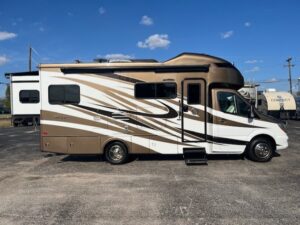
A slow RV shower drain has a way of making a small problem feel much bigger than it is. At first, it is just a little water around your feet. Then the shower pan starts holding water longer after every use. Then someone takes a normal shower, & suddenly the bathroom feels like it is trying to become a tiny indoor pool.
If you have been asking, “Why Is My RV Shower Draining Slow?” the answer is usually not random. In most cases, it comes down to one of a few common causes: hair & soap buildup, a partial clog in the trap or drain line, poor tank venting, a gray tank issue, or a plumbing routing problem under the RV.
The good news is that many shower drain problems start small, which means catching them early can save you from worse clogs, odors, slow gray tank draining, or even water damage around the bathroom floor. This guide walks through the most common causes, what you can check safely, when it is time for professional diagnosis, & how to keep your RV shower draining properly long-term.
Problem Overview: What a Slow RV Shower Drain Usually Means
When a shower drain slows down in an RV, the problem usually falls into one of two categories.
The first is a local drain restriction, which means the issue is close to the shower itself. That could be hair, soap scum, or debris sitting in the drain opening, the trap, or the nearby section of drain line.
The second is a system-wide drainage problem, which means the shower is only the first place you notice it. That could involve the gray tank not venting correctly, the gray tank draining poorly, or a deeper plumbing issue that makes water back up at the lowest drain in the RV.
Since the shower is often one of the lowest fixtures in the coach, it is usually the first place that shows you something is wrong. So when you start wondering, “Why Is My RV Shower Draining Slow?” the shower itself may be the problem — or it may just be the messenger.
The Most Common Causes of a Slow RV Shower Drain
Hair & Soap Scum Buildup
This is the most common cause by far. Hair, soap residue, shampoo, conditioner, & body wash all combine into a sticky mess that clings to the inside of the drain. Over time, that buildup narrows the flow path until water cannot move out as quickly as it should.
Even a small amount of buildup can make a noticeable difference in an RV because the plumbing is tighter, smaller, & more sensitive than in a house.
Partial Clog in the Trap or Drain Line
Many RV shower drains connect to a P-trap or a similar low section that helps control odors. That area can collect debris, especially if hair gets past the drain cover. Once debris starts collecting there, it traps even more soap scum & creates a partial clog.
This type of restriction often causes slow drainage without a total blockage, which is why the shower may still drain — just very slowly.
Gray Tank Venting Problems
Your gray tank needs a vent so air can move in & out as water drains. If the vent is blocked, restricted, or not working correctly, the water flow slows down because the system cannot breathe properly.
When that happens, you may notice:
- Slow shower drainage
- Gurgling sounds from the shower or sink
- Water pulsing as it drains
- Odors getting stronger near the bathroom or sink area
A venting problem is a common hidden answer to “Why Is My RV Shower Draining Slow?” especially if the issue seems worse when multiple fixtures are being used.
Gray Tank Is Nearly Full
Sometimes the simplest answer is the right one. If your gray tank is nearly full, the shower will usually be the first place you notice it because it sits lower than many other drains. Water may start pooling in the pan, even if the sink still seems “mostly fine.”
If the shower suddenly drains slowly after a few days of camping, the gray tank level should always be one of your first checks.
Gray Tank Outlet or Dump Valve Restriction
A shower can also drain slowly if the gray tank is not emptying fully during dump-outs. Buildup at the outlet, a sticky valve, or a sagging drain hose during dumping can leave more wastewater in the tank than expected. That leftover volume reduces how much incoming shower water the tank can accept before backing up.
Sagging or Kinked Plumbing Under the RV
Some RV drain lines develop low spots or “belly dips” underneath the coach. Those low spots collect water, soap residue, & sludge over time. As buildup increases, flow slows more & more.
This issue is especially common on RVs that have seen heavy road vibration, previous plumbing repairs, or underbelly movement.
What You Can Check Safely Before Making It Worse
Step 1: Check the Gray Tank Level
Before assuming the shower drain is clogged, make sure the gray tank is not simply full or nearly full. A full gray tank can make the shower appear clogged when it is actually doing exactly what gravity says it should do.
Step 2: Remove & Clean the Drain Cover
Take off the shower drain cover & inspect the opening. Hair & soap sludge often collect right at the top, where it is easy to miss but restrictive enough to slow the drain.
Clean out anything visible by hand or with a simple plastic drain tool designed for shallow clogs. Avoid forcing sharp objects deep into the line.
Step 3: Pay Attention to Other Fixtures
Ask yourself:
- Is the bathroom sink also draining slowly?
- Do you hear gurgling when the sink drains?
- Does the shower back up more when the sink is running?
If more than one drain is acting up, the problem may be venting or gray tank related rather than just a shower clog.
Step 4: Watch for Odor Clues
If the slow shower drain comes with stronger gray tank odor, that often points toward venting issues, trap problems, or gray tank buildup rather than just a little hair at the drain.
Step 5: Avoid Harsh Chemical Drain Cleaners
This matters. Most household drain cleaners are a bad idea in an RV. They can damage seals, soften certain plastics, create chemical residue in tanks, & make future service more unpleasant than it already needs to be.
If you want to protect the plumbing system, skip the aggressive drain chemicals.
When It Is Time for Professional Diagnosis
If you have cleaned the shower drain opening, verified the gray tank is not full, & the problem still keeps coming back, it is time to look deeper. A shop can determine whether the real issue is in the trap, the venting system, the tank outlet, or the plumbing route itself.
Professional diagnosis may include:
- Inspecting the shower trap & nearby drain line
- Checking gray tank vent function
- Verifying whether the gray tank is draining fully
- Inspecting underbelly plumbing for low spots or restrictions
- Checking dump valve operation
- Identifying hidden buildup that keeps recurring
If you want the problem diagnosed cleanly instead of guessing at it, schedule service with Daisy RV so the real cause can be found before it turns into a full clog or a bigger gray tank issue.
Why You Should Fix It Now Instead of Waiting
A slow shower drain is easy to ignore for a while, but it usually gets worse, not better. What starts as a little standing water can turn into:
- A full blockage
- Gray water backing up into the shower pan
- Stronger odors in the bathroom
- More residue buildup in the line
- Water sloshing onto the bathroom floor during showers
- Hidden moisture around the shower base if overflow happens repeatedly
And since the bathroom is one of the most used parts of the RV, this is the kind of issue that gets annoying fast.
Prevention Tips to Keep the Shower Draining Properly
Use a Good Drain Screen
A simple shower drain screen catches hair before it becomes a plumbing problem. It is one of the cheapest, most effective upgrades you can make.
Rinse With Plenty of Water
Soap without enough rinse water creates buildup. A strong rinse at the end of each shower helps move residue all the way through the drain line instead of letting it settle.
Dump the Gray Tank Before It Gets Overfull
If you wait until the gray tank is maxed out, the shower becomes the warning light. Dumping before it reaches that point helps avoid slow drainage & backup.
Keep Grease & Heavy Residue Out of the Gray System
Kitchen grease can contribute to gray tank buildup that eventually affects overall drainage. Wipe greasy dishes first before washing them in the sink.
Pay Attention to Early Gurgling
If the shower starts gurgling or draining slightly slower than normal, treat that as an early warning. Small restrictions are easier to fix than full blockages.
For seasonal plumbing checks, tank inspections, or drain service, Daisy RV can help keep your RV water system working the way it should before a small drain issue turns into a bigger trip problem.
Call-to-Action: Get Your Shower Draining Normally Again
If you are still asking, “Why Is My RV Shower Draining Slow?”, start with the simple checks: gray tank level, visible hair buildup, & whether other drains are showing the same symptoms. If the issue keeps returning, the smartest next move is to have the plumbing system inspected for a restriction, venting problem, or gray tank drainage issue.
Book an appointment with Daisy RV & get a proper diagnosis before the slow drain turns into a full backup. A shower should leave you cleaner — not standing in a puddle wondering what the RV is trying to tell you.